International Anti-Corruption Day: making procurement feel fair for African SMEs
Sifa runs a small skincare and hygiene cooperative with ten women in coastal Kenya. An NGO helped them refine their recipes, test for safety and design simple packaging. Clinic staff love their gentle antiseptic wash for patients with sensitive skin.
When a regional hospital publishes a tender for hygiene and skincare products, Sifa is sure it’s their chance. She spends late nights filling forms, scanning certificates and asking friends for help with the English.
Weeks later, she hears that a large importer she has never heard of won the contract. No one will explain why. She doesn’t know if there was corruption. What she feels is something just as corrosive: the quiet sense that the game is not for people like her.
Corruption at SME level: less drama, more damage
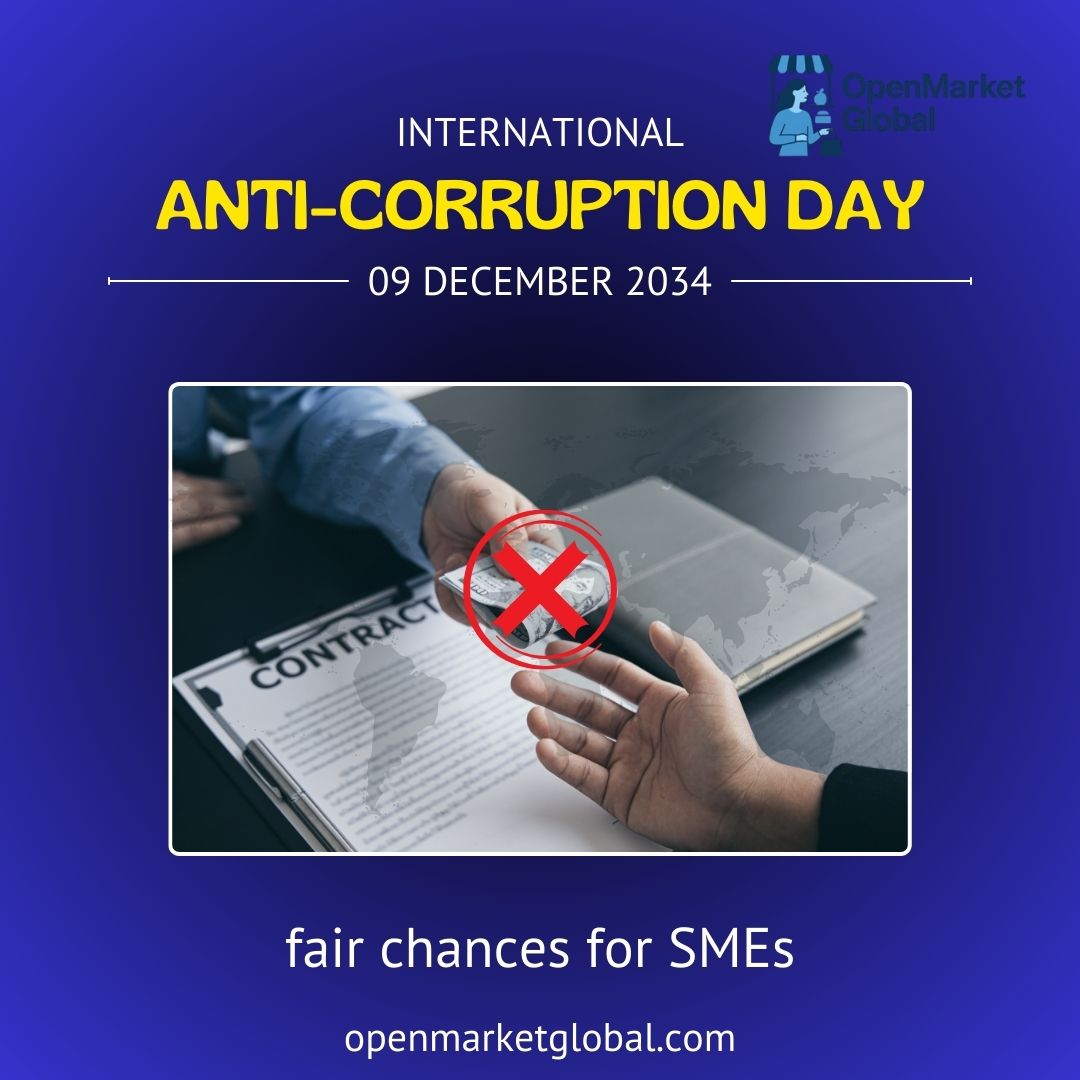
International Anti-Corruption Day is often about big scandals. But for small African suppliers in health, skincare and crop inputs, corruption and opacity usually look like:
- Tenders that are advertised only to a narrow circle.
- Technical requirements written to fit one incumbent supplier.
- Approvals that move faster if you “know someone”.
- Verification decisions that depend more on relationships than on evidence.
Not every unfair experience is a crime. But together they create a climate where honest SMEs opt out of public tenders and big NGO contracts, and where a handful of suppliers keeps winning by default.
Global rules vs. local reality
On paper, most African countries have signed up to strong norms: the UN Convention against Corruption, African Union instruments, SDG 16 and national procurement laws with clear language on fairness and competition.
In practice, Sifa’s story is still common. Part of the problem is power and politics. Part of it is simpler: procurement systems that make it too easy to hide basic information and too hard for new suppliers to be seen.
How visibility can reduce excuses
OpenMarket Global cannot police tenders, but it can remove one of the most common excuses: “We couldn’t find any capable local suppliers.”
On the platform:
- A cooperative like Sifa’s has a profile with products, basic quality checks, locations and WhatsApp contact.
- NGOs and hospitals can search by category and country and see a shortlist of verified suppliers, not just the ones in their existing address books.
- Procurement and oversight bodies can see patterns: which types of suppliers exist in a sector, and which are never winning contracts.
This does not end corruption. But it changes the starting point. Instead of a closed list and a story, there is visible choice and evidence.
What needs to change
To make procurement feel fairer for SMEs and cooperatives, different actors have a role:
- Governments and procurement teams: publish opportunities in channels where SMEs are active (including marketplaces like OpenMarket Global), scale requirements to contract size, and share short award summaries explaining who won and why.
- Anti-corruption bodies and civil society: watch for markets where a few firms win almost everything despite a rich pool of suppliers; use marketplace data to train SMEs on their rights and safe ways to flag problems.
- NGOs and donors: make your own procurement a model of openness, and use shared marketplaces to showcase SMEs and cooperatives you helped build instead of keeping them hidden in project reports.
- Businesses and cooperatives: keep clean records, use neutral platforms to show your capabilities, and where possible, organise through associations so feedback and advocacy don’t fall on one vulnerable voice.
Call to action
Sifa may not win every tender, and she shouldn’t. But she should be able to say: “I saw the opportunity. I understood the rules. I could be found and evaluated like any other supplier.”
International Anti-Corruption Day is a reminder that this sense of fairness is built not only by laws and arrests but by the everyday design of markets. Every time a buyer uses a broader, more transparent pool of suppliers, and every time a marketplace like OpenMarket Global makes an SME visible to a new clinic or NGO, that feeling of fairness grows.